Why Proper Roof Ventilation Matters More Than Shingle Quality | Walton Residential Services
When homeowners think about roof performance, shingles usually get all the attention. Color, material, impact resistance, and warranty length often drive decisions. While shingles matter, they are only one part of a much larger system. In reality, proper roof ventilation often has a greater impact on roof lifespan than shingle quality alone.
At Walton Residential Services, we regularly inspect roofs that fail early—not because of poor materials, but because trapped heat and moisture quietly damaged the system from underneath. Understanding how roof ventilation works can help homeowners prevent premature wear, hidden damage, and unnecessary replacements.
What Roof Ventilation Actually Does
Roof ventilation allows fresh air to enter the attic while hot, moist air exits. This continuous airflow helps regulate temperature and moisture levels inside the attic space.
A properly ventilated roofing system typically includes:
- Intake vents, such as soffit vents, that pull cooler air into the attic
- Exhaust vents, such as ridge vents or box vents, that release hot air
Together, these components create balanced airflow. When ventilation is missing or improperly designed, heat and moisture become trapped—causing problems no shingle can fix.
How Heat Buildup Shortens Roof Lifespan
In Texas climates, attic temperatures can exceed 150 degrees during summer months. Without proper ventilation, this heat radiates directly into the roofing materials above it.
Excessive heat leads to:
- Premature shingle aging and curling
- Breakdown of asphalt oils in shingles
- Warping of roof decking and framing
- Early failure of adhesives and sealants
Even premium shingles cannot withstand years of intense heat trapped beneath them. This is why roofs with high-quality materials still fail early when ventilation is overlooked.
Moisture Problems Homeowners Rarely See
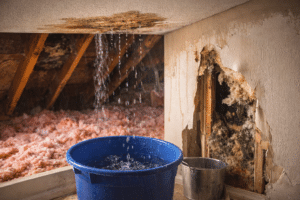
Ventilation is not just about heat control. Moisture is an equally serious threat. Everyday household activities—showers, cooking, and laundry—release moisture that rises into the attic.
When airflow is inadequate, moisture becomes trapped and can cause:
- Condensation on roof decking
- Mold and mildew growth
- Wood rot and structural weakening
- Reduced insulation effectiveness
Because this damage often stays hidden, homeowners may not realize ventilation is the root cause until repairs become costly.
Signs of Poor Roof Ventilation Homeowners Miss
Ventilation problems often develop quietly over time. Common warning signs include:
- Uneven shingle wear or curling
- Rising energy bills during summer
- Excessive attic heat
- Rust on nails or metal components in the attic
- Compressed or damp insulation
These symptoms are frequently mistaken for material defects, when the real issue is trapped heat and moisture.
How Roof Ventilation Impacts Energy Bills
A poorly ventilated attic forces HVAC systems to work harder. Heat buildup above the living space pushes warm air downward, increasing indoor temperatures.
Proper ventilation helps:
- Lower attic temperatures
- Reduce cooling system strain
- Improve indoor comfort
- Lower monthly energy costs
According to the U.S. Department of Energy, balanced attic ventilation plays a critical role in improving energy efficiency and protecting building materials.
Ridge Vents vs. Box Vents: Why Design Matters
Not all ventilation systems perform the same. Ridge vents provide continuous exhaust along the roof peak, while box vents release heat from specific areas.
The best option depends on:
- Roof size and pitch
- Attic layout
- Available intake ventilation
- Local climate conditions
Installing vents without proper planning can disrupt airflow and worsen moisture problems. Effective ventilation requires balance—not just more vents.
Why Shingles Alone Can’t Protect Your Roof
Shingles are designed to shed water and resist impact—not regulate attic conditions. Without proper ventilation, even top-tier shingles operate outside their intended temperature range.
This often results in:
- Shortened roof lifespan
- Voided manufacturer warranties
- Increased repair frequency
Ventilation protects the entire roofing system, not just the surface materials.
How Professional Inspections Identify Ventilation Issues
At Walton Residential Services, we evaluate the entire roofing system—not just what’s visible from the ground.
Our inspections include:
- Attic airflow and moisture evaluation
- Vent placement and balance assessment
- Insulation condition review
- Clear recommendations for improvement
Learn more about our roof inspection services and how early detection can prevent long-term damage.
Protect Your Roof from the Inside Out
When homeowners focus only on shingle quality, they often miss one of the most important factors in roof performance. Proper roof ventilation often matters more than the shingles themselves.
If your roof is aging faster than expected or your energy bills continue to climb, ventilation may be the missing piece. Contact Walton Residential Services today to schedule a professional inspection and protect your home for years to come.
A cooler, drier attic leads to a stronger, longer-lasting roof.