Texas Freeze Roof Damage: What Happens and How to Prevent It
Texas freeze roof damage catches most Houston homeowners off guard. While our winters are usually mild, rare freeze events can cause serious harm to your home. In fact, many people don’t realize their roof is at risk until costly repairs pile up.
The good news? You can protect your home with the right preparation. This guide explains how freezing temperatures hurt your roof and what you can do to prevent problems before they start.
Why Texas Freeze Roof Damage Is So Common in Houston
Texas freeze roof damage happens because our homes aren’t built for extended cold weather. Unlike northern states, Houston roofs handle heat and humidity all year long. As a result, they can struggle when ice and snow suddenly appear.
Most local roofing systems aren’t designed for freezing conditions. Because of this, even a short freeze can cause problems that last for months. Additionally, the freeze-thaw cycle creates the most destruction.
Here’s how it works: Water seeps into small cracks during the day when ice melts. Then, it freezes again at night and expands. This cycle can destroy shingles, flashing, and even your roof deck over time.
Common Types of Texas Freeze Roof Damage
Ice Dams Create Leaks Along Your Roof Edge
Ice dams are one of the biggest causes of Texas freeze roof damage. They form when heat escapes from your attic and melts snow on your roof. The melted water then runs down to the cold roof edge and refreezes.
Over time, this ice builds up and creates a dam. As a result, water backs up behind the dam and seeps under your shingles. This water can leak into your attic, walls, and ceilings.
Furthermore, ice dams put extra weight on your gutters. In severe cases, they can pull gutters right off your home.
Cold Weather Cracks and Breaks Shingles
Your shingles become brittle when temperatures drop. Because of this, they can crack or break much more easily than normal. Even small impacts from falling branches can cause major damage during a freeze.
Also, the freeze-thaw cycle loosens the seal between shingles. This allows wind and water to get underneath them. Once this happens, you may see shingles blow off during the next storm.
Flashing Gaps Let Water Inside
Metal flashing around vents, chimneys, and skylights contracts in cold weather. This movement can break the seal between the flashing and your roof. As a result, water can leak into your home through these gaps.
Moreover, repeated freeze-thaw cycles make this problem worse over time. Each cycle weakens the seal a little more until leaks finally appear.
Warning Signs of Texas Freeze Roof Damage
Spotting problems early helps you avoid expensive repairs. After any freeze event, watch for these warning signs:
- Water stains on ceilings or walls – This often means water got past your roof
- Icicles hanging from gutters – A sign that ice dams may be forming
- Sagging gutters – Ice weight may have damaged your gutter system
- Missing or cracked shingles – Cold weather can break brittle shingles
- Granules in your gutters – Freeze damage often loosens shingle granules
- Drafts in your attic – Gaps may have opened in your roof system
If you notice any of these signs, schedule a professional roof inspection right away. Catching damage early prevents small problems from becoming big headaches.
How to Prevent Texas Freeze Roof Damage
Improve Your Attic Insulation and Ventilation
Proper attic insulation is your best defense against Texas freeze roof damage. According to the U.S. Department of Energy, good insulation keeps warm air inside your home where it belongs. As a result, less heat escapes through your roof to melt snow unevenly.
Additionally, proper ventilation helps maintain consistent roof temperatures. When your entire roof stays cold, snow melts evenly instead of forming ice dams. Therefore, investing in attic improvements protects your roof during freezing weather.
Clean Your Gutters Before Cold Weather Arrives
Clogged gutters make freeze damage much worse. When water can’t drain properly, it pools and freezes along your roof edge. This creates the perfect conditions for ice dams to form.
Before winter arrives, remove all leaves and debris from your gutters. Also, make sure your downspouts direct water away from your foundation. These simple steps can prevent major problems during a freeze.
Schedule a Pre-Winter Roof Inspection
A pre-winter roof inspection helps you find and fix weak spots. Look for loose or damaged shingles that cold weather could make worse. Also, check that all flashing is sealed tightly around vents and chimneys.
If you’re not comfortable on a ladder, hire a professional inspector. They can spot problems you might miss and recommend repairs before freezing weather hits.
Protecting Your Roof During a Texas Freeze
Keep Snow from Piling Up Safely
If snow accumulates on your roof, remove it safely with a roof rake. Stand on the ground and pull snow off the lower edges of your roof. However, never climb on an icy or snow-covered roof yourself.
Also, focus on clearing snow from roof edges where ice dams form. By keeping these areas clear, you reduce the chance of water backing up under your shingles.
Watch for Warning Signs Inside Your Home
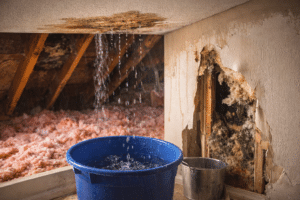
During a freeze, check your ceilings and attic regularly for water stains. If you see new stains appearing, you likely have an active leak. In this case, call for emergency roof service right away.
Furthermore, listen for dripping sounds in your attic. This can indicate that ice is melting and water is getting inside your home.
Avoid DIY Ice Removal
Chipping ice off your roof can cause more harm than good. Sharp tools can puncture shingles and create new entry points for water. Instead, let ice melt naturally or call a professional for safe removal.
Similarly, avoid using salt or chemicals to melt ice on your roof. These products can damage shingles and harm your landscaping below.
Repairing Texas Freeze Roof Damage After the Storm
Once temperatures rise, schedule a thorough roof inspection. Many freeze-related problems don’t show up right away. A professional can identify hidden damage before it leads to leaks.
During the inspection, ask about:
- Shingle condition and any cracking
- Flashing integrity around all roof penetrations
- Gutter and downspout function
- Attic ventilation adequacy
- Signs of water intrusion in the attic
If the inspector finds Texas freeze roof damage, act quickly. Small repairs now prevent much larger problems down the road. Additionally, documenting damage promptly helps if you need to file an insurance claim.
Protect Your Houston Home Before the Next Freeze
Although Texas freezes are rare, they can cause significant roof damage when they occur. By understanding the risks and taking preventive action, you can protect your home and avoid costly repairs.
Remember these key steps to prevent Texas freeze roof damage:
- Improve attic insulation and ventilation before winter
- Clean gutters thoroughly in late fall
- Schedule a pre-winter roof inspection
- Monitor your roof during freeze events
- Get a professional inspection after any freeze
Don’t wait for the next freeze to catch you off guard. Contact Walton Residential Services today to schedule your roof inspection. Our experienced team has protected Houston homes since 1961, and we’re ready to help you prepare for whatever Texas weather brings.
Call (713) 337-2307 for a free estimate or to schedule your inspection